




 Endpoint Security
 Network Security
 Email Security
 Cloud Security


In today’s digital world, businesses are more connected than ever. While this connectivity brings about significant advantages, it also exposes companies to various cyber threats. From data breaches to ransomware attacks, the consequences of cybersecurity vulnerabilities can be disastrous. That’s why implementing cybersecurity best practices is crucial to safeguard your digital assets and maintain business continuity.
Here’s a guide to the best practices that can help businesses protect themselves from cyber threats:
1. Use Strong Passwords and Implement Multi-Factor Authentication (MFA)
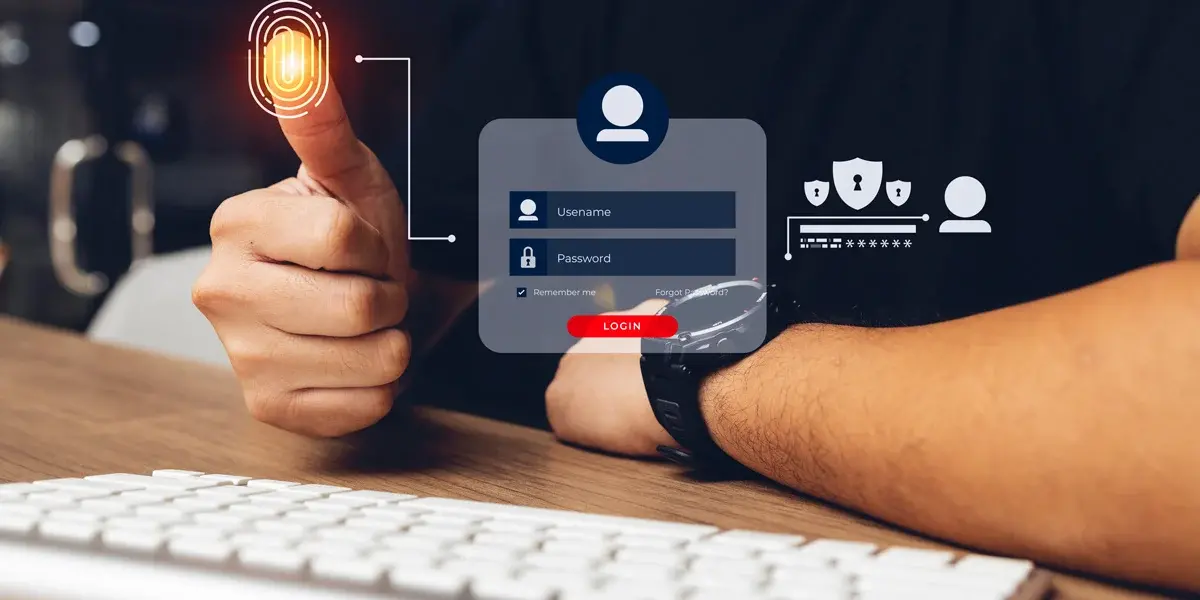
Passwords are the first line of defense against cybercriminals. However, weak or reused passwords make it easy for hackers to gain access to sensitive information. Encourage employees to use strong, unique passwords for every account, ideally combining letters, numbers, and symbols. Additionally, implement multi-factor authentication (MFA) for an extra layer of protection. MFA requires users to verify their identity through multiple methods, such as a fingerprint or a one-time code sent to their phone.
2. Regular Software Updates and Patching
Software vendors regularly release updates and patches to fix vulnerabilities that could be exploited by cybercriminals. Ensure that all operating systems, applications, and security software are up-to-date. Implement an automated patch management system to minimize human error and ensure that updates are installed promptly. This helps close security gaps before attackers can exploit them.

3. Educate and Train Employees on Cybersecurity Awareness
Humans are often the weakest link in the cybersecurity chain. Phishing attacks, for example, rely on tricking employees into clicking malicious links or sharing sensitive information. Regularly train your employees on cybersecurity best practices, such as recognizing phishing emails, avoiding suspicious downloads, and using secure Wi-Fi networks. Cybersecurity awareness can significantly reduce the risk of falling victim to social engineering attacks.
4. Regular Backups and Data Encryption
Data is the backbone of any business, and losing it can be catastrophic. Regularly back up your critical data to secure, off-site locations, such as cloud storage. This ensures that in the event of a cyberattack, such as ransomware, you can restore your systems with minimal disruption. Additionally, encrypt sensitive data both in transit and at rest to ensure that even if hackers gain access, the data remains unreadable.

5. Implement a Robust Firewall and Network Security
Firewalls act as barriers between your internal network and external threats. Ensure that your business network is protected by a strong, properly configured firewall. Use intrusion detection and prevention systems (IDPS) to monitor network traffic for suspicious activity. Segment your network to limit access to sensitive data and reduce the scope of potential breaches.
6. Secure Mobile Devices and Remote Work Tools
With the rise of remote work and the use of mobile devices, businesses must secure these endpoints. Implement mobile device management (MDM) solutions to monitor, manage, and secure employees' devices, whether they are smartphones, laptops, or tablets. Ensure that employees use secure virtual private networks (VPNs) when working remotely and that their devices are encrypted and protected by strong passwords.
7. Monitor and Respond to Security Incidents
Cybersecurity is an ongoing process, not a one-time fix. Set up a monitoring system to detect abnormal behavior or unauthorized access attempts in real-time. Implement a clear incident response plan that outlines steps to take in the event of a breach. This includes containment, investigation, communication, and remediation. Having a well-defined plan ensures a swift and organized response to minimize damage.
8. Limit User Access and Use the Principle of Least Privilege
Not all employees need access to all systems or data. By adopting the principle of least privilege, you can restrict access to sensitive information to only those who need it to perform their job. Implement role-based access controls (RBAC) and review user access periodically to ensure that permissions are appropriately assigned.
9. Stay Informed and Collaborate with Experts
Cyber threats are constantly evolving, and staying informed about the latest threats and vulnerabilities is key. Subscribe to cybersecurity blogs, attend industry conferences, and collaborate with external security experts to keep your business up to date. A partnership with a trusted cybersecurity firm can also provide proactive monitoring and risk assessments.
Conclusion
Cybersecurity is not just an IT concern but a business imperative. By adopting these best practices, you can significantly reduce the risk of cyberattacks and protect your company’s assets, reputation, and bottom line. Remember, the investment in cybersecurity today is an investment in your business’s future, ensuring it remains resilient against evolving digital threats.